Quick Summary
- Pull over safely as soon as you notice a flat tyre or warning from your tyre pressure monitoring system
- Turn on hazard lights and secure your vehicle before inspecting the damage
- Check the tyre to identify if it is a puncture, blowout, or sidewall damage
- Use your spare tyre if you are confident and equipped with the necessary tools
- Do not drive on a damaged tyre as it can worsen damage to the wheel rim and steering
- Call professional roadside assistance if you are unsure or unsafe to proceed
Need help right now?
Get fast support from Sanft Auto Breakdown Services
Introduction
A flat tyre can happen at any time. Whether caused by a nail in the tread area, low tyre pressure, or a sudden blowout, it can quickly turn a routine journey into a stressful situation. Knowing what to do when you have a flat tyre on the road is essential for your safety, your passengers, and your vehicle.
This guide breaks down exactly what to do, step by step, so you can stay safe and get back on the road quickly. It also outlines when to handle it yourself and when to call in skilled technicians for professional roadside service.
Step 1: Pull Over Safely and Stay Aware
As soon as you notice a flat tyre, unusual steering, or your tyre pressure monitoring system alerts you:
- Slow down gradually
- Avoid sudden braking or sharp turns
- Pull over to a safe location away from traffic
- Choose flat, stable ground where possible
Once stopped:
- Turn on your hazard lights
- Engage the handbrake
- Ensure passengers exit the vehicle safely if required
Safety always comes first. A damaged tyre increases the risk of losing control, especially at speed.
Step 2: Inspect the Tyre and Identify the Issue
Carefully check the affected wheel:
- Look for visible puncture signs such as a nail or screw
- Check if the tyre is completely flat or partially inflated
- Inspect the tread and sidewall for cracks or splits
- Check if the wheel rim has been damaged
Common causes include:
- Tyre puncture in the tread area
- Blowout due to pressure loss
- Sidewall damage which is not repairable
If the damage is severe, do not attempt to drive further. This can lead to costly repairs and unsafe driving conditions.
Step 3: Decide Your Next Move
You now have three main options depending on your situation:
Option 1: Change to a Spare Tyre
If you have a spare tyre and the necessary tools:
- Jack
- Wheel wrench
- Secure ground positioning
Follow this process:
- Loosen the wheel nuts slightly before lifting the vehicle
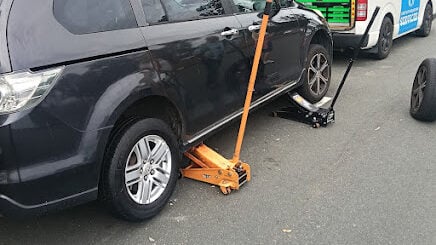
- Use the jack to raise the car
- Remove the damaged tyre
- Fit the spare tyre and hand tighten
- Lower the vehicle and tighten firmly in a star pattern
Important:
- Drive at reduced speed and follow the maximum speed recommended for your spare tyre
- Temporary spare tyres are not designed for long distances
Learn more about spare tyre help in Auckland
Option 2: Use a Tyre Repair Kit (Temporary Fix)
Some vehicles are equipped with tyre repair kits instead of a spare tyre.
These can:
- Temporarily seal a puncture
- Reinflates the tyre
However:
- Not suitable for large punctures or sidewall damage
- Only a short-term solution
You should still arrange a proper repair or replacement as soon as possible.
Option 3: Call Roadside Assistance (Recommended)
If you are:
- On a busy road
- Unsure how to change a tyre
- Lacking tools or equipment
- Dealing with a dangerous situation
The safest option is to call professionals.
Sanft Auto Breakdown Services provides fast, reliable roadside assistance across Auckland with certified technicians equipped to handle flat tyres safely.
Step 4: Repair or Replace the Tyre
Once you are safe, the next step is resolving the issue properly.
When a Tyre Can Be Repaired
- Small puncture in the tread area
- No structural damage
- Within compliance standards
When a Tyre Must Be Replaced
- Sidewall damage
- Large puncture
- Severe wear or damage
- Compromised performance
Driving on a damaged tyre increases risk and can affect your steering, braking, and overall vehicle safety.
Step 5: Get Back on the Road Safely
Before continuing your journey:
- Ensure all wheel nuts are tightened correctly
- Check tyre pressure
- Confirm the vehicle is stable
- Drive cautiously and avoid high speeds
If you are using a spare tyre, visit a repair service as soon as possible.
Preventing Future Flat Tyres
Regular tyre maintenance reduces the risk of breakdowns:
- Check tyre pressure monthly
- Inspect tread depth and wear
- Avoid potholes and road hazards
- Rotate tyres every 5,000 to 8,000 km
- Keep a properly inflated spare tyre
A well-maintained tyre improves safety, fuel efficiency, and performance.
Why Choose Sanft Auto Breakdown Services?
When you are stuck roadside, you need fast, reliable support.
Sanft Auto Breakdown Services offers:
- Rapid response across Auckland
- Skilled technicians equipped with the right tools
- On-the-spot puncture repairs and replacements
- Safe handling in high-traffic situations
FAQs: Flat Tyres on the Road
What should I do immediately after getting a flat tyre?
Pull over safely, turn on hazard lights, and assess the situation before deciding whether to change the tyre or call roadside assistance.
Can I drive with a flat tyre?
No. Driving on a flat tyre can damage the wheel rim, reduce control, and increase safety risks.
How do I know if a tyre puncture is repairable?
If the puncture is small and located in the tread area, it is often repairable. Sidewall damage usually requires full replacement.
How long can I drive on a spare tyre?
Most spare tyres are temporary and should only be used for short distances at reduced speed. Always check your vehicle manual.
What causes a flat tyre?
Common causes include:
- Nails or sharp objects
- Low tyre pressure
- Worn tread
- Impact damage from potholes
Should I change a tyre myself or call for help?
If you are experienced and in a safe location, you can change it yourself. Otherwise, it is safer to call a professional roadside service.
Final Checklist
- Stay calm and prioritise safety
- Move your vehicle off the road
- Inspect the tyre for damage
- Use a spare or repair kit if suitable
- Call professionals if unsure
- Repair or replace the tyre properly before continuing
A flat tyre does not have to ruin your day. With the right approach and support, you can handle the situation safely and get back on the road quickly.
For fast, reliable help anywhere in Auckland, trust Sanft Auto Breakdown Services
Related reading: Who offers the cheapest roadside assistance in Auckland?