Quick Summary
- Check your surroundings and stay safe on New Zealand public roads
- Look for signs like clicking noise, no dashboard lights, or slow engine crank
- Most common issue is a flat battery or dead car battery
- Try a jump start if safe and you have the right equipment
- Do not keep turning the key repeatedly as it can damage the starter motor
- Call roadside assistance if unsure or stuck
Need immediate help in Auckland?
Get fast support
Introduction
Few things are more frustrating than turning the key and your car won’t start. Whether you are at home, at work, or stuck roadside, it can disrupt your day quickly.
The good news is most starting issues come down to a few common reasons like a flat battery, faulty starter motor, or electrical issues. Knowing what to do if your car won’t start can help you stay safe, avoid further damage, and get moving again quickly.
This guide breaks it down step by step and explains when to fix it yourself and when to call for immediate assistance.
Step 1: Stay Safe and Assess the Situation
Before anything else:
- Ensure you are in a safe location away from traffic
- Turn on hazard lights if you are roadside
- If needed, move the vehicle to the nearest safe place
- Keep passengers safe and aware
If your vehicle has stopped in a dangerous position or after a collision or car accident, prioritise safety and call for help immediately.
Step 2: Check What Happens When You Turn the Key
What your car does when you try to start it gives important clues:
No Sound, No Lights
- Likely a dead battery or electrical issue
- Could be battery terminals or fuse box related
Clicking Noise
- Common sign of a flat battery or failing starter motor
Engine Cranks but Won’t Start
- Possible fuel pump issue or ignition problem
Dashboard Lights On but No Start
- Could be a starter motor or ignition switch fault
These signs help identify the problem quickly and reduce unnecessary repairs.
Step 3: Check the Car Battery First
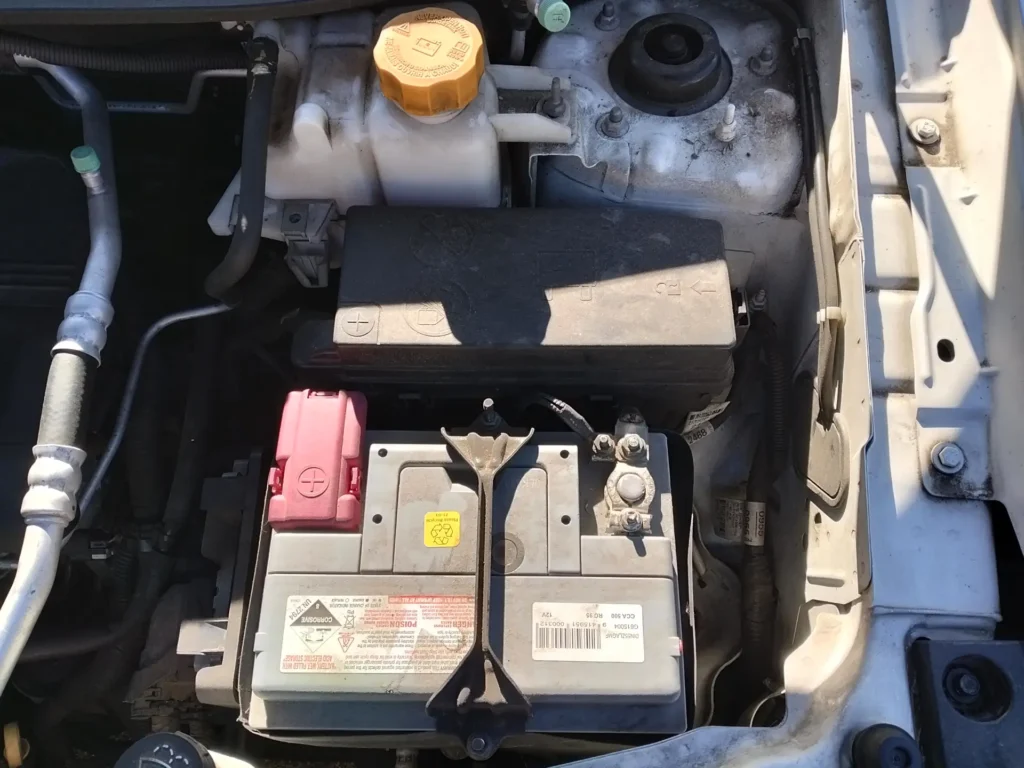
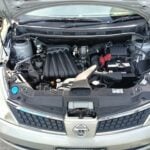
The car battery is the most common issue when a vehicle won’t start.
Look for:
- Dim or no dashboard lights
- Corrosion on battery terminals
- Signs of a flat battery after sitting unused
- Impact from extreme weather
If the battery is the issue, you have two main options.
Step 4: Try a Jump Start (If Safe)
If you have jumper leads and access to another vehicle:
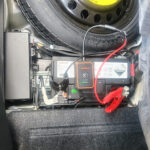
- Connect cables correctly to battery terminals
- Start the working vehicle
- Attempt to start your car
- Remove cables safely once running
Important:
- Ensure connections are correct
- Do not attempt if unsure
- Avoid repeated failed attempts
Need help instead? We’ll bring our expertise and jump cables to your rescue!
A professional jump start reduces risk and ensures your vehicle is handled safely.
Step 5: If It’s a Flat or Dead Battery
If your battery is completely flat or keeps failing:
- It may need battery testing
- Or a full battery replacement
Driving with a failing battery increases the risk of being stranded again. Our roadside rescue services include both battery testing and replacement at affordable prices to get you back on the road safely.
Step 6: Check for Other Common Issues
If it is not the battery, consider:
Starter Motor Fault
- Clicking noise but no engine turnover
- Requires mechanic inspection
Ignition Switch Problems
- Key turns but nothing happens
Blown Fuse
- Check fuse box for damaged fuse
Fuel Issues
- Empty tank or fuel delivery problem
These issues are harder to fix roadside and usually require professional service. We have you covered with fuel delivery, minor mechanical work, and towing services.
Step 7: Call Roadside Assistance (Recommended)
If your car still won’t start, the safest option is to call experts.
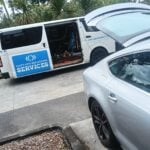
Sanft Auto Breakdown Services provides:
- Fast roadside rescue across Auckland
- Jump starts and battery replacement
- Diagnostics for electrical issues
- Towing options if required
Our team is equipped to get you moving quickly and safely.
When Your Vehicle May Need Towing
In some cases, your vehicle may need to be towed:
- Starter motor failure
- Major electrical issues
- After a crash or collision
- Engine or fuel system failure
Roadside assistance can arrange towing to a mechanic or safe location depending on your needs.
Preventing Future Starting Problems
Avoid being stuck again with simple maintenance:
- Check battery health regularly
- Clean battery terminals
- Avoid leaving lights on
- Drive regularly to maintain charge
- Replace old batteries before failure
Preventative maintenance saves time, stress, and cost.
Why Choose Sanft Auto Breakdown Services?
When your car won’t start, you need fast and reliable help.
Sanft Auto Breakdown Services offers:
- Rapid response across Auckland
- Skilled technicians and fully equipped vans
- On-the-spot battery testing and replacement
- Safe roadside assistance on New Zealand roads
FAQs: Car Won’t Start
What is the most common reason a car won’t start?
The most common reason is a flat or dead battery, especially in cold weather or after the vehicle has not been used.
Can I jump start my car myself?
Yes, but only if you have the correct tools and know the proper procedure. Otherwise, it is safer to call roadside assistance.
Why does my car make a clicking noise but won’t start?
This usually indicates a weak battery or a faulty starter motor.
How do I know if I need a new battery?
If your car frequently struggles to start or loses power, it likely needs testing or replacement.
Will roadside assistance fix the issue on the spot?
In most cases, yes. Services like jump starts, battery replacement, and minor fixes can be completed roadside.
Final Checklist
- Stay safe and assess your surroundings
- Check what happens when you turn the key
- Inspect your car battery first
- Try a jump start if safe
- Call roadside assistance if unsure
- Repair or replace faulty components
A car that won’t start is a common issue, but with the right steps and support, it can be resolved quickly.
For fast, reliable roadside rescue in Auckland, trust Sanft Auto Breakdown Services to get you back on the road.
Related reading: Who offers the cheapest roadside assistance in Auckland?